


***
#Relatedtumblr : vindsval.tumblr.com (On l’ajoute d’ailleurs à la liste)
#Relatedblogpost : Alexander Binder
#Relatedbook : True Norwegian Black Metal (2008) Photographs by Peter Beste


***
#Relatedtumblr : vindsval.tumblr.com (On l’ajoute d’ailleurs à la liste)
#Relatedblogpost : Alexander Binder
#Relatedbook : True Norwegian Black Metal (2008) Photographs by Peter Beste
Pour faire suite au billet du 25 mars 2010 (première montréalaise du film) et au Ultimate Norsk Black Metal Blog Post :
Until the Light Takes Us
Aaron Aites & Audrey Ewell, USA, 2009, 93 min
In 1991, Norwegian churches started to burn down, just after an underground circle of metal musicians had formed. The film reveals the true story behind the music, murders, and church burnings, and shows what happened to these young men, who tried to change the world using music, art, and violence. Ultimately, they lost control of what they had created.

Syrinx
Ryan Larkin, Canada, 1965, 3 min
Musique de Claude Debussy
Nymphe d’Arcadie, Syrinx se jeta dans le Ladon pour échapper à Pan qui la poursuivait. Elle fut aussitôt changée en roseaux avec lesquels le dieu aux cornes et aux pieds de chèvre fabriqua la flûte champêtre à sept tuyaux appelée syrinx ou flûte de Pan. Il se mit ensuite à jouer de façon si harmonieuse que toute la terre fît silence pour l’écouter.


Night Mayor
Guy Maddin, Canada, 2009, 13 min 53 s
Guy Maddin’s latest film is the story of inventor Nihad Ademi, who harnesses the power of the aurora borealis in 1939 Winnipeg. Ademi uses the power to broadcast images of Canada to its own citizens from coast to coast, but in the process angers the government.
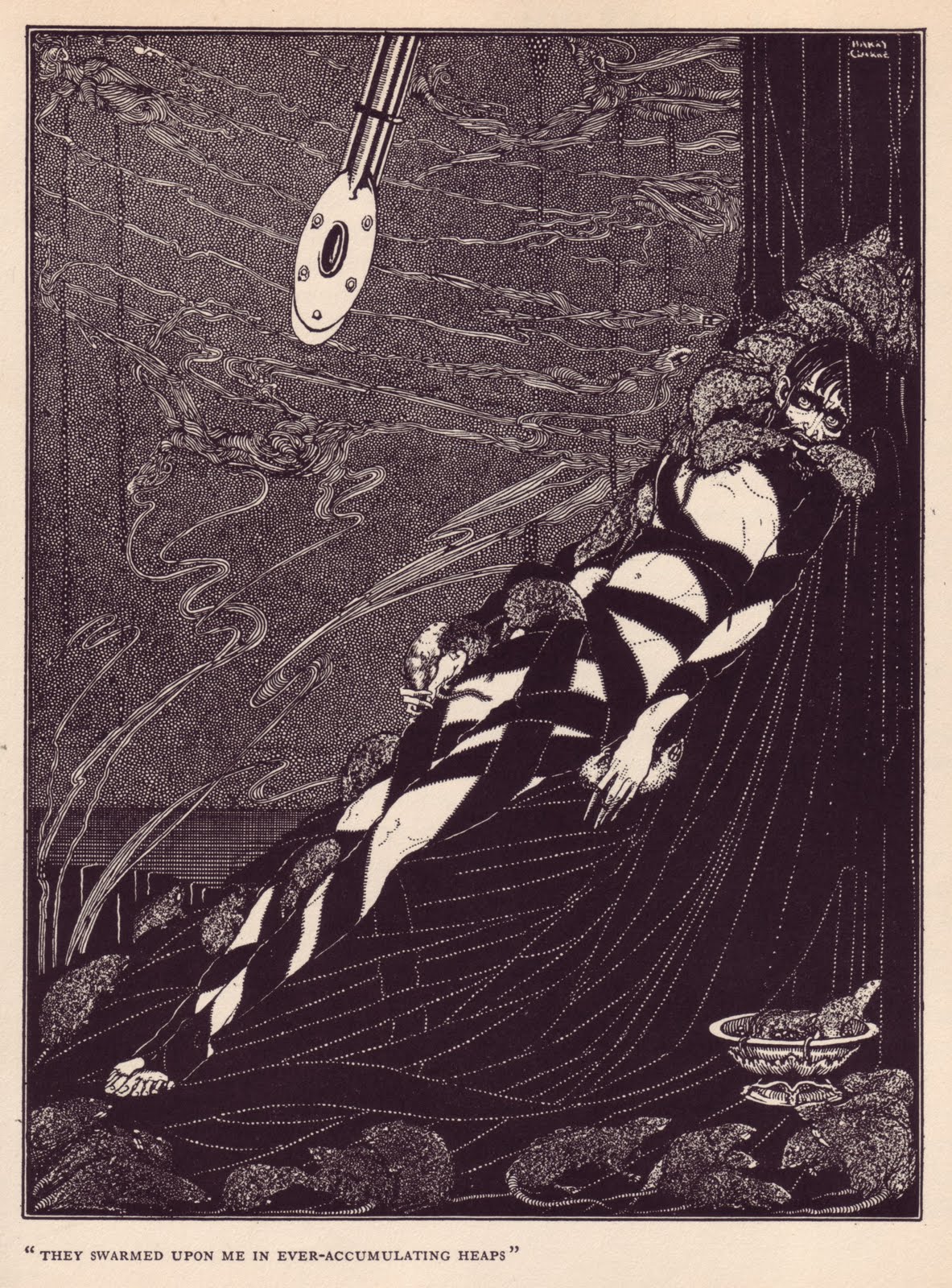
The Pendulum, The Pit And Hope (Kyvadlo, jáma a nadeje)
Jan Švankmajer, Czechoslovakia, 1983, 15 min
Adapted from Edgar Allan Poe’s The Pit and the Pendulum
***
Autres films de Jan Švankmajer publiés précédemment : The Ossuary (1970) ici et The Fall of the House of Usher (1982) ici.

