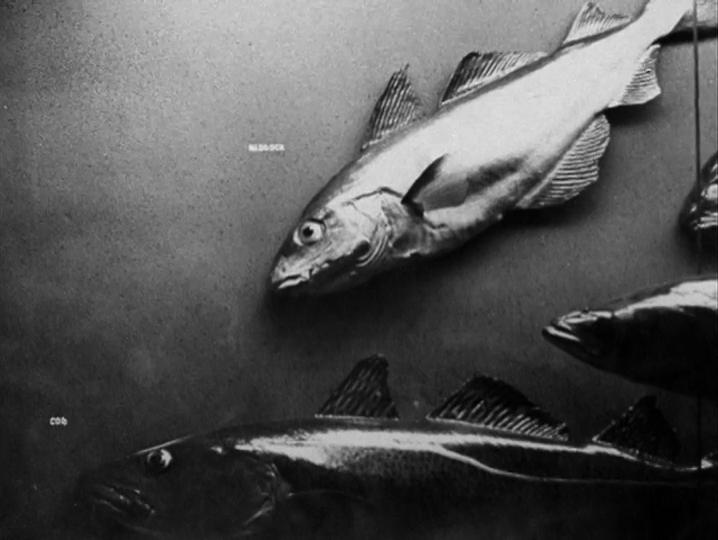
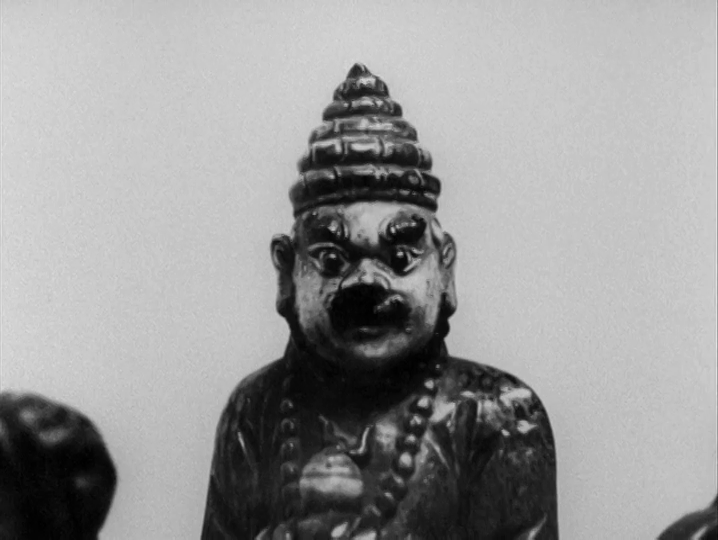
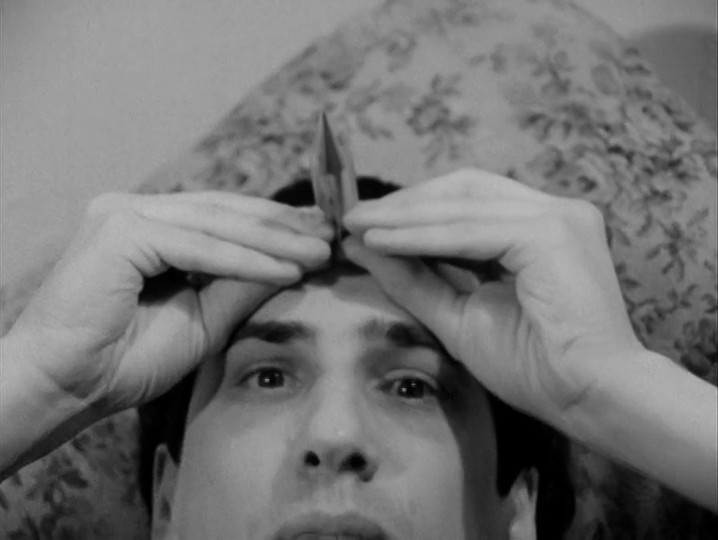
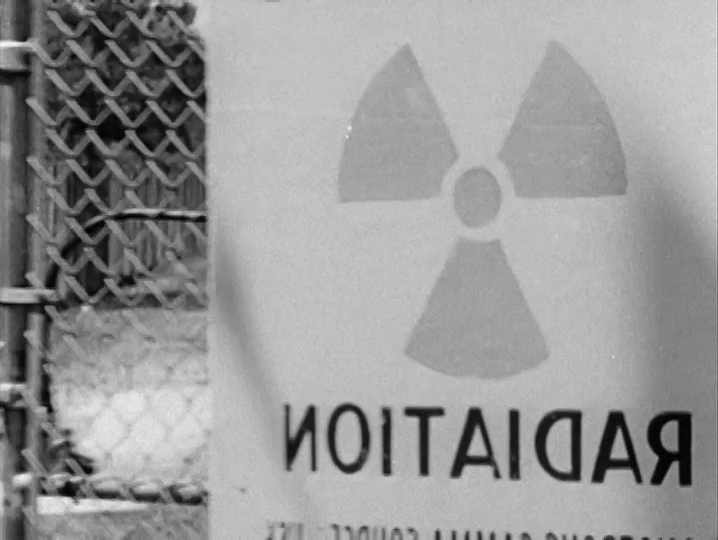
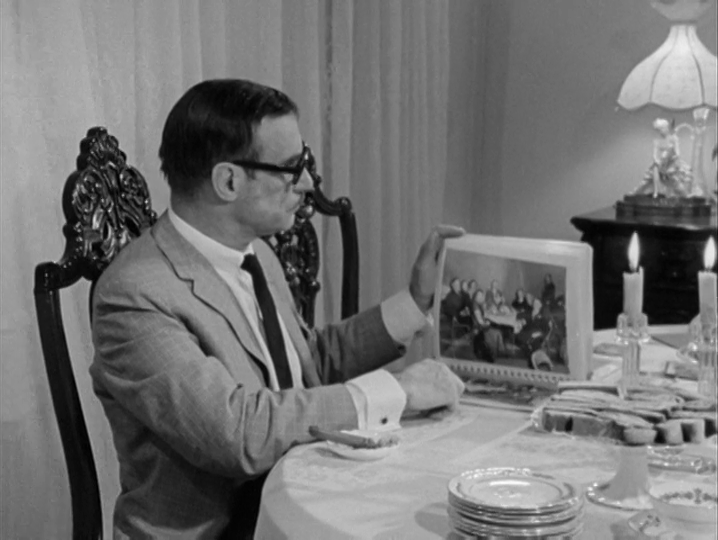
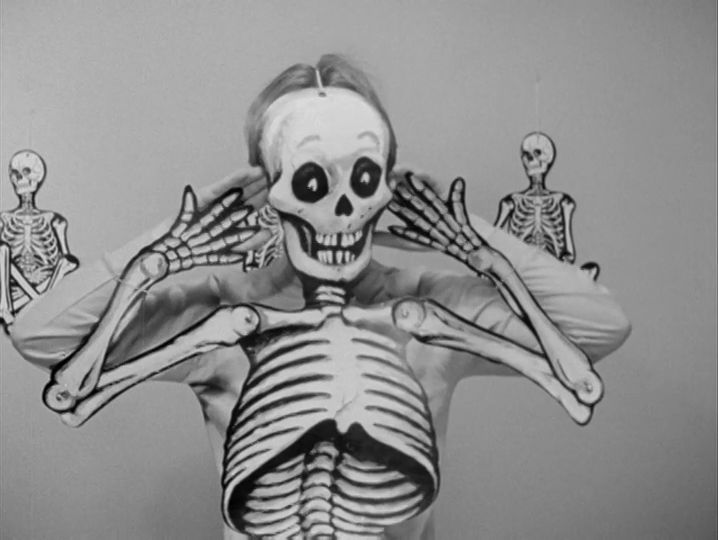
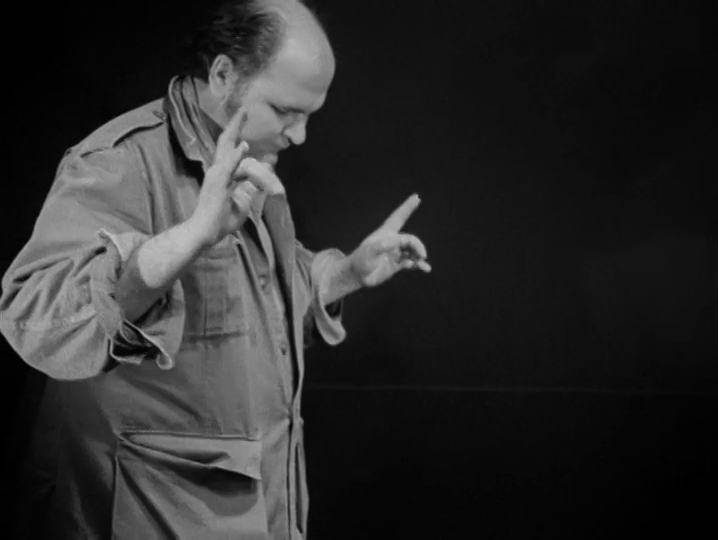
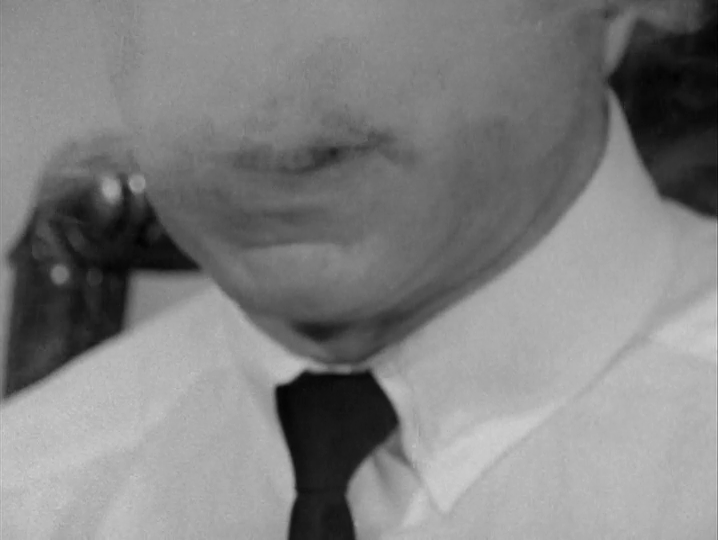
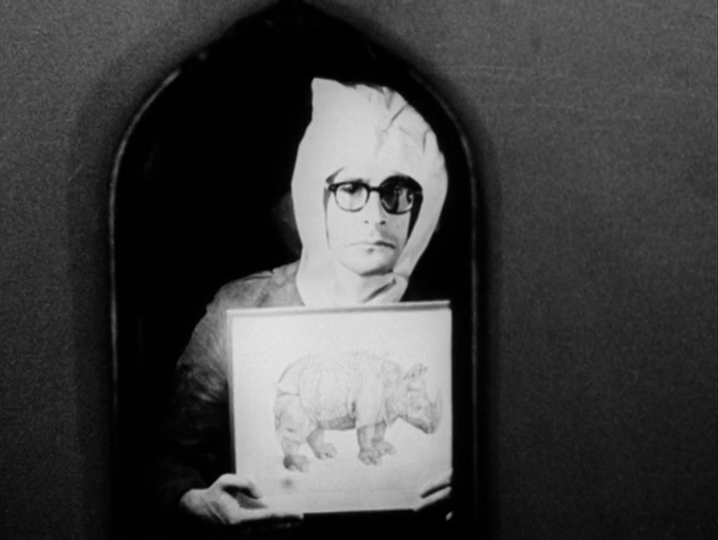
Images tirées du film N-Zone (1970) d’ARTHUR LIPSETT

On a beaucoup parlé d’Arthur Lipsett (jamais par contre de sa participation au film Hors-d’oeuvre) sans avoir eu la chance de voir Fluxes et son ‘agonized intensely personal N-Zone‘ …

N-Zone (1970) par Arthur Lipsett


With N-Zone (1970), Lipsett tried something different, including footage of family and friends as counterpoints to his “objective” montage sequences. The film was attacked and Lipsett left the NFB’ (ici)

… À défaut donc d’avoir trouvé le film en ligne, on a déniché ces quelques images :


N-Zone (1970) par Arthur Lipsett

N-Zone (1970) par Arthur Lipsett

N-Zone (1970) par Arthur Lipsett

N-Zone (1970) par Arthur Lipsett

N-Zone (1970) par Arthur Lipsett

N-Zone (1970) par Arthur Lipsett

N-Zone (1970) par Arthur Lipsett

N-Zone (1970) par Arthur Lipsett

N-Zone (1970) par Arthur Lipsett

N-Zone (1970) par Arthur Lipsett

N-Zone
Arthur Lipsett, Canada, 1970, 45 min


Arthur Lipsett pieces together his visions of this fragmented world from odds and ends, even leftovers, from other people’s photography and sound recording. By juxtaposing his snippets of “found film” with snatches of comment or dialogue echoing the banality of human communication, Lipsett shows the emptiness of much of what we say or do. N-Zone is one man’s surrealist sampler of the human condition...


Source des images ici.

Jaune comme tes dents présente : SOUL FRIDAY VOL.37

SPÉCIAL ST-JEAN BAPTISTE


Québec Soft (La musique adoucit les moeurs)
Jacques Godbout, Canada, 1985, 26 min 5 s


Dans ce court métrage documentaire réalisé par Jacques Godbout, on se demande si l’influence du «son américain» nuit à la tradition de la chanson francophone québécoise. En 1985, au moment de tourner le film, la plupart des nouveaux groupes musicaux québécois optent pour l’anglais. Le phénomène doit-il inquiéter? Est-il le signe d’une nouvelle culture planétaire?


***


On se disait aussi que la messe des morts d’Offenbach à l’Oratoire (1972) c’était Doom Metal en tabarnac et tout à fait dans le ton.

Begotten (1991) by E. ELIAS MERHIGE

Begotten
E. Elias Merhige, USA, 1991, 78 min


The film heavily deals with religion and the biblical story of earth creation. But as Merhige revealed during Q&A sessions, its primary inspiration was a near death experience he had when he was 19, after a car crash. The film features no dialogue, but rather uses harsh and uncompromising images of human pain and suffering to tell its tale.

What ever this movie is very hard to understand, the film opens with a robed, profusely bleeding « God » (The Thanatos) disemboweling himself, with the act ultimately ending in his death. A woman, Mother Earth (The eros), emerges from his remains, arouses the body, and impregnates herself with his semen. Becoming pregnant, she wanders off into a vast and barren landscape. The pregnancy manifests in a fully grown man whom she leaves to his own devices.

The « Son of Earth » meets a group of faceless nomads who seize him with what is either a very long umbilical cord or a rope. The Son of Earth vomits organic pieces, and the nomads excitedly accept these as gifts. The nomads finally bring the man to a fire and burn him …


 Begotten (1991) by E. ELIAS MERHIGE

Begotten (1991) by E. ELIAS MERHIGE


***


Din Of Celestial Birds (2006) by E. ELIAS MERHIGE (October 22, 2012)

Krzysztof Wodiczko: Projections (1991) by DEREK MAY

Krzysztof Wodiczko: Projections
Derek May, Canada, 1991, 53 min 2 s


This full-length documentary examines the work of Krzysztof Wodiczko, an artist who has taken his art out of museums to project it onto the sides of buildings. The film explores Wodiczko’s philosophy of art as social contract and shows examples of his provocative work, which has lit up walls from London’s Trafalgar Square to Zion Square in Jerusalem.

Series 4 (1972) par NORMAND GRÉGOIRE

Series 4
Normand Grégoire, Canada, 1972, 7 min 29 s


This experimental short documents the clash, sometimes obsessive, sometimes glorifying, between man and his mechanized environment. Using photographs, the animator creates varying perspectives through optical manipulation and changing color, achieving bold and provocative effects.